• Home
  • About
  • Services
    Branding DesignGraphic DesignUI/UX DesignMotion GraphicVideo Editing
  • Portfolio's
    Branding DesignGraphic DesignUI/UX DesignMotion GraphicVideo Editing
  • Pages
    BlogsFAQ
HomeAbout
Services
Branding DesignGraphic DesignUI/UX DesignMotion GraphicVideo Editing
Portfolio's
Branding DesignGraphic DesignUI/UX DesignMotion GraphicVideo Editing
Pages
BlogsFAQ

Follow Us On

Let's Talk

Address

Chandpur, Chittagong, Bangladesh

ZIP Code: 3600

Follow Us On
Company
  • About Us
  • Our Team
  • Work Process
  • Our Clients
  • Review
  • Privacy Policy
Our Services
  • All Services
  • Branding Design
  • Graphic Design
  • UI/UX Design
  • Motion Graphic
  • Video Editing
Portfolio's
  • Branding Design
  • Graphic Design
  • UI/UX Design
  • Motion Graphic
  • Video Editing
Links
  • Blogs
  • FAQ
  • Contact
Address
Chandpur, Chittagong, Bangladesh
ZIP Code: 3600
Follow Us On
© 2025 All Rights Reserved by Legoon Pixel
Live Chat
  • Home
  • About
  • Services
    Branding DesignGraphic DesignUI/UX DesignMotion GraphicVideo Editing
  • Portfolio's
    Branding DesignGraphic DesignUI/UX DesignMotion GraphicVideo Editing
  • Pages
    BlogsFAQ
HomeAbout
Services
Branding DesignGraphic DesignUI/UX DesignMotion GraphicVideo Editing
Portfolio's
Branding DesignGraphic DesignUI/UX DesignMotion GraphicVideo Editing
Pages
BlogsFAQ

Follow Us On

Let's Talk

COLOR PSYCHOLOGY

The Impact of Color Psychology in Design

July 12, 2023

  • 7 min read
The Impact of Color Psychology in Design

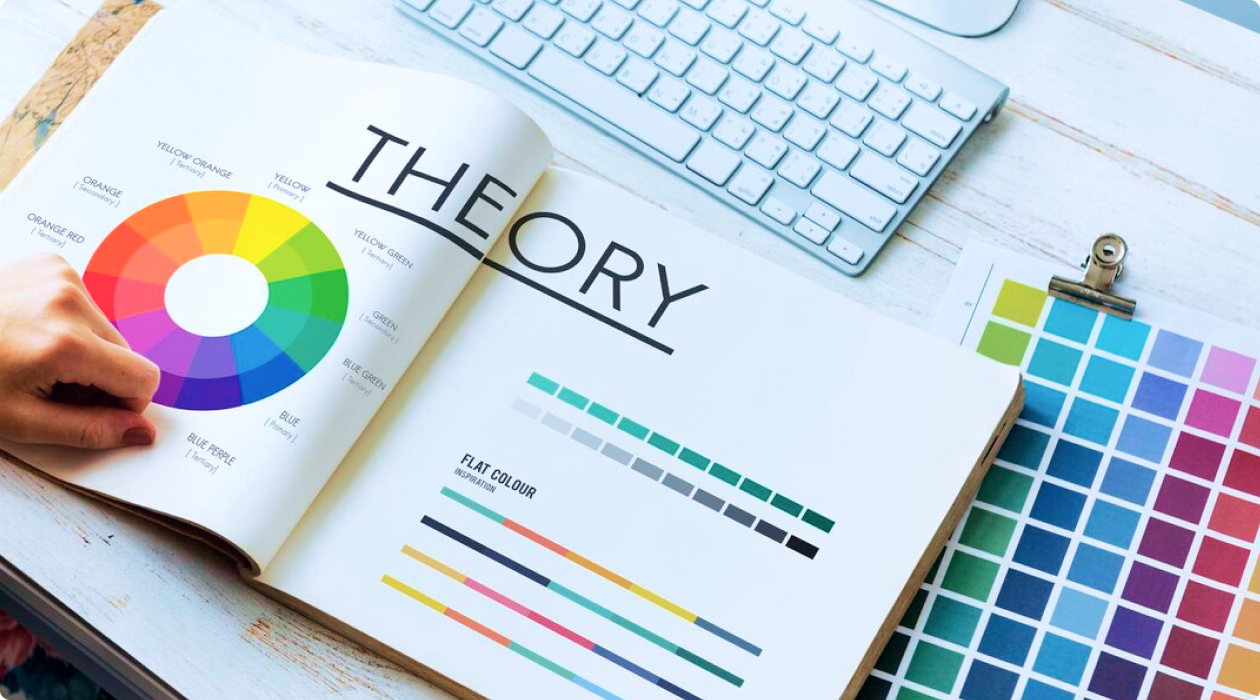
Colors have a profound impact on our emotions and perceptions, and this influence is especially significant in the world of design. Whether you're creating a website, designing a logo, or choosing the color scheme for your home, understanding color psychology can help you achieve your desired effect. In this blog post, we'll explore the fascinating world of color psychology and its applications in design.

The Impact of Color Psychology in Design
Address

Chandpur, Chittagong, Bangladesh

ZIP Code: 3600

Follow Us On
Company
  • About Us
  • Our Team
  • Work Process
  • Our Clients
  • Review
  • Privacy Policy
Our Services
  • All Services
  • Branding Design
  • Graphic Design
  • UI/UX Design
  • Motion Graphic
  • Video Editing
Portfolio's
  • Branding Design
  • Graphic Design
  • UI/UX Design
  • Motion Graphic
  • Video Editing
Links
  • Blogs
  • FAQ
  • Contact
Address
Chandpur, Chittagong, Bangladesh
ZIP Code: 3600
Follow Us On
© 2025 All Rights Reserved by Legoon Pixel
Live Chat

Understanding Color Psychology

Color psychology is the study of how different colors can affect our moods, emotions, and behaviors. It's a complex field that examines the psychological, cultural, and even physiological aspects of color. While the effects of colors can vary from person to person due to individual experiences and cultural backgrounds, there are some general principles that designers can use to their advantage.The Basics of Color Associations.

Certain colors are commonly associated with specific emotions or concepts. Here are some general color associations:

Red: Red is often associated with passion, excitement, and energy. It can also evoke feelings of love and warmth. In design, it's frequently used to grab attention and create a sense of urgency.

Blue: Blue is linked to calmness, trust, and reliability. It's commonly used in corporate branding to convey professionalism and dependability.

Green: Green is associated with nature, growth, and freshness. It can create a sense of balance and harmony, making it popular in Eco-friendly and health-related designs.

Yellow: Yellow is associated with happiness, optimism, and creativity. It's often used to capture attention and convey a sense of playfulness.

Purple: Purple is often linked to luxury, sophistication, and spirituality. It can create a sense of elegance and mystery.

Black: Black is associated with power, elegance, and authority. It's often used to convey a sense of sophistication and timelessness.

White: White represents purity, simplicity, and cleanliness. It's commonly used in minimalist designs and healthcare-related materials.

Certain colors are commonly associated with specific emotions or concepts. Here are some general color associations:

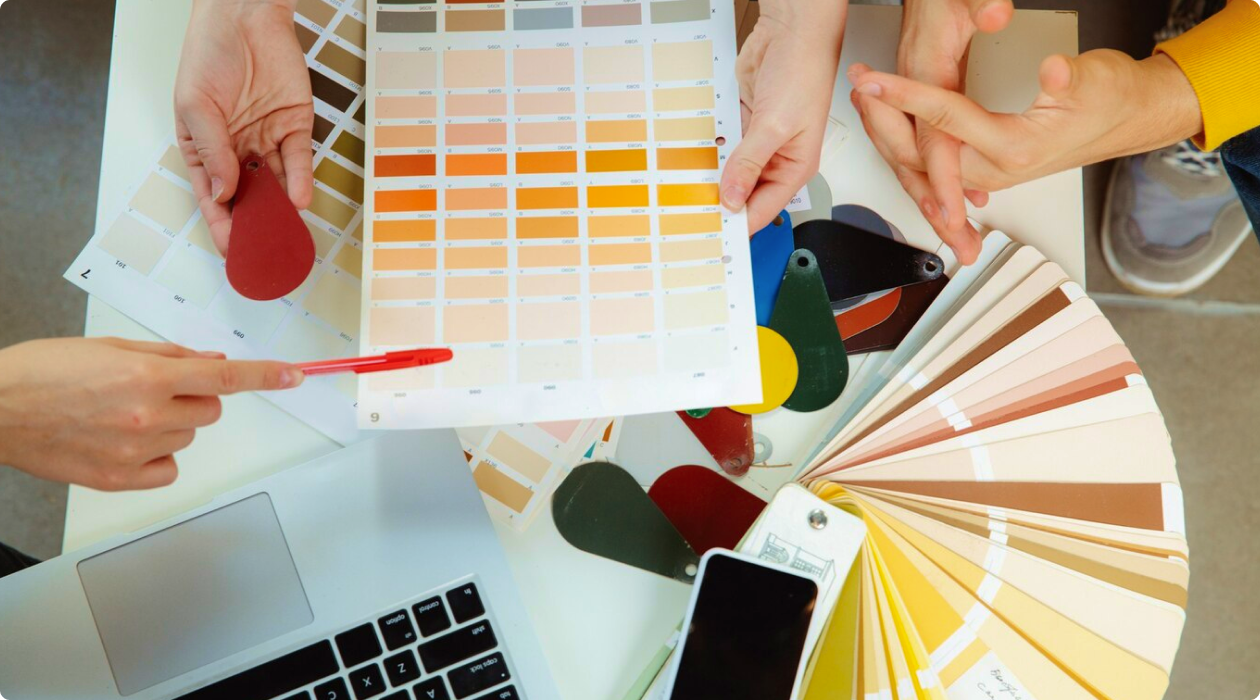
Applying Color Psychology in Design

Brand Identity: When choosing colors for a brand, consider the emotions and associations you want to convey. For example, a health and wellness brand might use calming greens and blues, while a tech company aiming for innovation and excitement might opt for vibrant reds and yellows.

Web Design: Your website's color scheme can greatly impact user experience. Use colors strategically to guide visitors' emotions and actions. For instance, use contrasting colors for call-to-action buttons to draw attention.

Product Packaging: The colors used on product packaging can influence purchasing decisions. Consider the emotions and associations you want customers to associate with your product when choosing packaging colors.

Interior Design: In home and interior design, color can affect the atmosphere of a space. Cool colors like blues and greens can create a calming environment, while warm colors like reds and yellows can add energy and vibrancy.

Color Associations: Colors are often associated with specific emotions, meanings, and cultural references. For example, red is commonly associated with passion, energy, and excitement, while blue is often associated with calmness, trust, and reliability. Designers can use these associations to communicate certain messages or create specific atmospheres.

User Experience: Colors can significantly impact the user experience of a website, application, or product. The right color choices can enhance usability, draw attention to important elements, and create a pleasant and engaging experience for users. However, it's essential to consider accessibility and ensure that color choices accommodate users with visual impairments.

Call-to-Action (CTA): Colors can influence user behavior, especially when it comes to CTA's. For example, using a contrasting color for a CTA button can make it stand out and increase the likelihood of users clicking on it. Red and orange are often used for urgent or attention-grabbing CTA's, while green or blue can convey a sense of trust and action.

Cultural Considerations: Colors can have different meanings and associations across different cultures. Designers should be mindful of cultural contexts and avoid using colors that may be offensive or have negative connotations in certain cultures. Conducting research or consulting with local experts can help ensure that color choices are culturally appropriate.

Remember that color psychology is not an exact science, and individual preferences and cultural factors can influence how people perceive and respond to colors. It's essential to consider color psychology as one tool among many in the design process and to test and iterate based on user feedback and data.
Applying Color Psychology in Design

Conclusion

Color psychology is a powerful tool that designers can use to create compelling and emotionally resonant experiences. By understanding the psychological impact of colors and strategically incorporating them into your designs, you can better connect with your audience, convey your brand's message, and elicit the desired emotional responses. So, the next time you embark on a design project, consider the psychology behind the colors you choose, and watch how it transforms the impact of your work.